
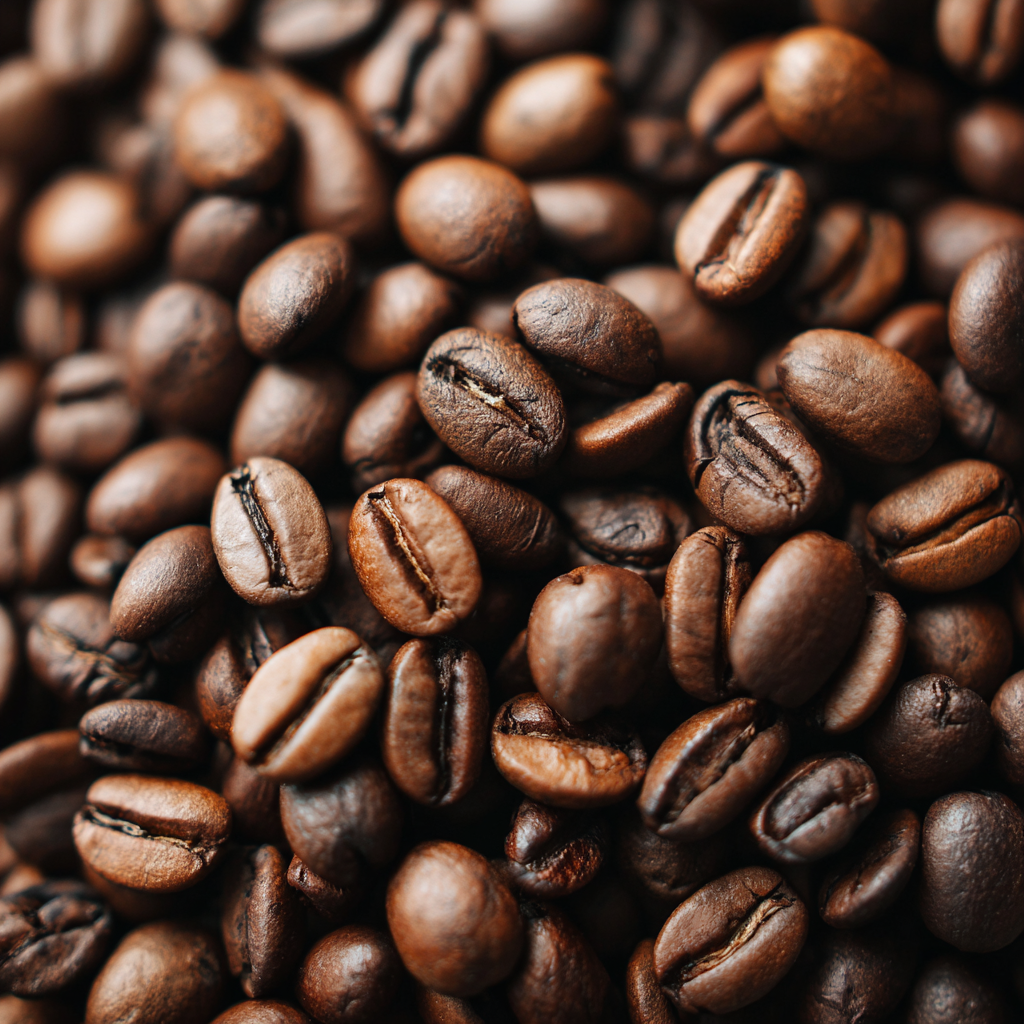
Beginner Coffee Tips for Home Brewing
Here are some tips to enhance your home brewing experience:
- Use fresh coffee beans.
- Invest in a good grinder.
- Measure your coffee and water.
- Experiment with brewing times.
The Home Barista Series · Issue No. 1
The Art of
Brewing Better
Coffee at Home
You don’t need a $3,000 espresso machine or a barista certificate to brew extraordinary coffee. You just need a little knowledge, fresh beans, and a willingness to pay attention.
Start With Fresh Beans
Coffee is a perishable food. Once roasted, beans begin a slow decline — oxidizing, losing aromatics, going stale. Buy beans roasted within the last two to four weeks, and look for a roast date (not a “best by” date) on the bag.
FreshnessGrind Right Before You Brew
Pre-ground coffee loses 60% of its aroma within 15 minutes of grinding. A burr grinder — even a hand grinder — will transform your cup. Consistent particle size means even extraction, and even extraction means better flavor.
EquipmentWater Quality Matters More Than You Think
Coffee is 98% water. Tap water with heavy chlorine or mineral imbalances will sabotage even the finest beans. Use filtered water — not distilled, which strips the minerals that carry flavor — and you’ll notice an immediate difference.
WaterMind Your Temperature
Boiling water scorches coffee, producing bitterness. The sweet spot is 90–96°C (195–205°F). No thermometer? Simply let boiled water rest off-heat for 30 seconds. This small habit has a surprisingly large impact on flavor clarity.
TechniqueStore Beans Properly
StorageThe enemies of fresh coffee are oxygen, moisture, heat, and light — in roughly that order. Store beans in an airtight, opaque container at room temperature. The freezer is a last resort for long-term storage of sealed, unopened bags, but never freeze beans you’re actively using. And always keep them away from your stove.
Clean Your Equipment Regularly
Coffee leaves behind oils that turn rancid over time, imparting bitterness to every subsequent brew. Rinse your equipment daily and deep clean weekly. A clean brewer is the easiest upgrade you can make.
MaintenanceTaste and Adjust
Brewing is an iterative process. If your coffee tastes bitter, try a coarser grind or lower temperature. If it tastes sour or weak, go finer or hotter. Keep a simple log of your changes and trust your palate — it’s more reliable than you realize.
Dialing In
1:15 to 1:17
coffee to water
For every gram of coffee, use 15–17 grams of water. This ratio is your anchor. Once you have it dialed in, all other variables become easier to isolate and adjust. A kitchen scale costs less than one specialty café drink.
Brewing Methods
Find Your Perfect
Method
Pour Over (V60 / Chemex)
The most hands-on method and the most rewarding. A slow, controlled pour produces a clean, nuanced cup that highlights a bean’s origin flavors. Ideal for light-to-medium roasts. Expect a 3–4 minute brew time and a small learning curve that pays dividends quickly.
French Press
Full immersion brewing produces a rich, full-bodied cup with more oils and texture than paper-filtered methods. Coarse grind is essential to avoid over-extraction and sediment. Steep for 4 minutes, press slowly, and pour immediately. The most forgiving beginner method.
AeroPress
Compact, forgiving, and endlessly versatile — the AeroPress is the Swiss Army knife of home brewing. It produces a concentrated, espresso-adjacent cup in under two minutes. The inverted method offers even more control. Perfect for travelers and experimenters alike.
Moka Pot
The stovetop brewer that produces Italy’s storied strong, bold coffee. Not technically espresso, but intensely satisfying. Use medium-fine grounds, low heat, and remove from the stove the moment you hear it gurgle. Master it and you’ll never feel the need for a machine.
Cold Brew
Coarse grounds steeped in cold water for 12–24 hours produce a smooth, low-acidity concentrate. No heat required — just patience. Dilute 1:1 with water or milk to serve. Makes a large batch that keeps in the fridge for up to two weeks. A summer staple.
“The best cup of coffee is the one you made yourself — with intention, curiosity, and a willingness to keep learning.” — The Home Barista