
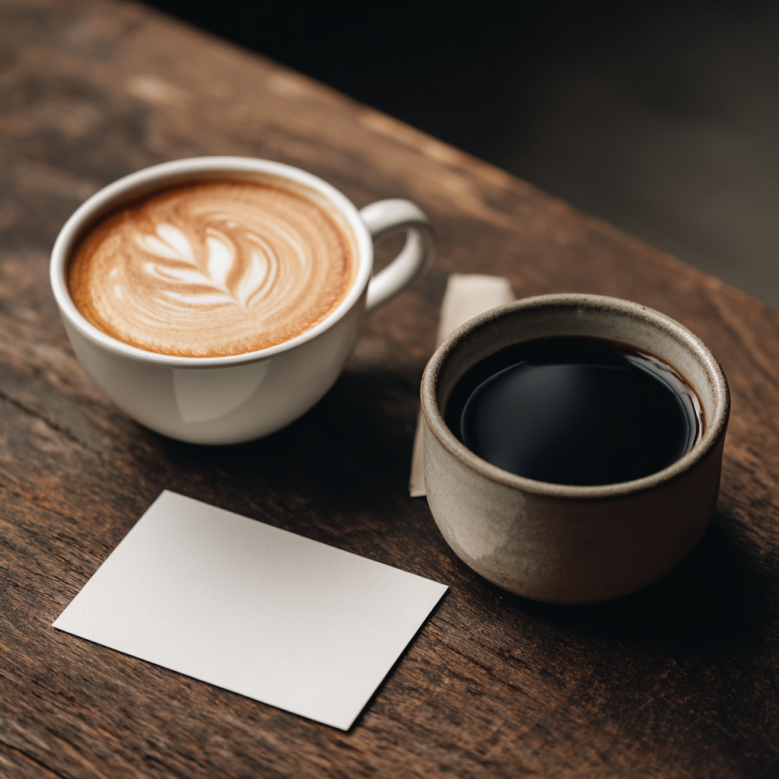
Espresso vs Coffee
Many people use the words espresso and coffee interchangeably, but they are actually quite different. While both drinks come from the same coffee beans, the way they are brewed creates distinct flavors, strengths, and textures.
If you’re starting your home barista journey, understanding the difference between espresso and regular coffee will help you choose the right brewing method and equipment.
Let’s break down what makes each one unique.
What Is Espresso?
Espresso is a concentrated coffee beverage brewed by forcing hot water through finely ground coffee under high pressure. This process extracts intense flavor in a short amount of time, usually about 25–30 seconds.
Espresso is known for its bold taste, thick body, and signature golden foam layer on top called crema.
Key Features of Espresso
- Brewed with high pressure (about 9 bars)
- Uses very fine coffee grounds
- Short brewing time (around 25–30 seconds)
- Small serving size (1–2 ounces)
- Strong, concentrated flavor
Espresso also serves as the base for many popular cafe drinks like lattes, cappuccinos, and flat whites.
What Is Regular Coffee?
Regular coffee, sometimes called drip coffee or brewed coffee, is made by allowing hot water to slowly pass through coffee grounds using gravity rather than pressure.
Common brewing methods include:
- Drip coffee maker
- Pour-over
- French press
- AeroPress
Because the brewing process is slower and uses less pressure, regular coffee produces a lighter and less concentrated drink compared to espresso.
Key Features of Regular Coffee
- Brewed using gravity instead of pressure
- Medium to coarse coffee grounds
- Longer brewing time (3–5 minutes)
- Larger serving size (8–12 ounces)
- Milder flavor profile
Regular coffee is often preferred for casual drinking throughout the day.
Key Differences Between Espresso and Coffee
Here’s a quick comparison:
| Feature | Espresso | Regular Coffee |
| Brewing Method | High pressure extraction | Gravity-based brewing |
| Grind Size | Very fine | Medium to coarse |
| Brewing Time | 25–30 seconds | 3–5 minutes |
| Serving Size | 1–2 oz | 8–12 oz |
| Flavor | Strong and concentrated | Smooth and lighter |
Both drinks can be delicious, but they offer very different experiences.
Does Espresso Have More Caffeine?
Many people think espresso contains more caffeine than regular coffee, but the answer depends on serving size.
- A single shot of espresso (1 oz) has about 60–70 mg of caffeine.
- A typical cup of drip coffee (8 oz) has around 90–120 mg of caffeine.
So while espresso is more concentrated, a full cup of coffee usually contains more total caffeine.
Which One Is Better for Beginners?
If you’re new to coffee brewing, both options have their advantages.
Espresso might be better if you:
- Love strong coffee flavors
- Enjoy milk drinks like lattes and cappuccinos
- Want café-style drinks at home
Regular coffee might be better if you:
- Prefer a milder flavor
- Drink larger cups of coffee
- Want a simpler brewing method
Many home baristas eventually enjoy both depending on the situation.
What Equipment Do You Need?
The equipment required also differs.
Espresso Equipment
- Espresso machine
- Burr coffee grinder
- Tamper
- Digital scale
Regular Coffee Equipment
- Drip coffee maker or pour-over brewer
- Coffee grinder
- Filters
- Kettle
Both methods benefit greatly from using freshly ground coffee beans.
Final Thoughts
Espresso and regular coffee may come from the same beans, but the brewing method creates two very different drinks.
Espresso offers a bold, concentrated flavor, while regular coffee provides a smoother and more relaxed drinking experience.
If you’re building your first home barista setup, learning the differences between these two brewing styles is a great first step toward making better coffee at home.
And the best part? You don’t have to choose just one.